Introduction
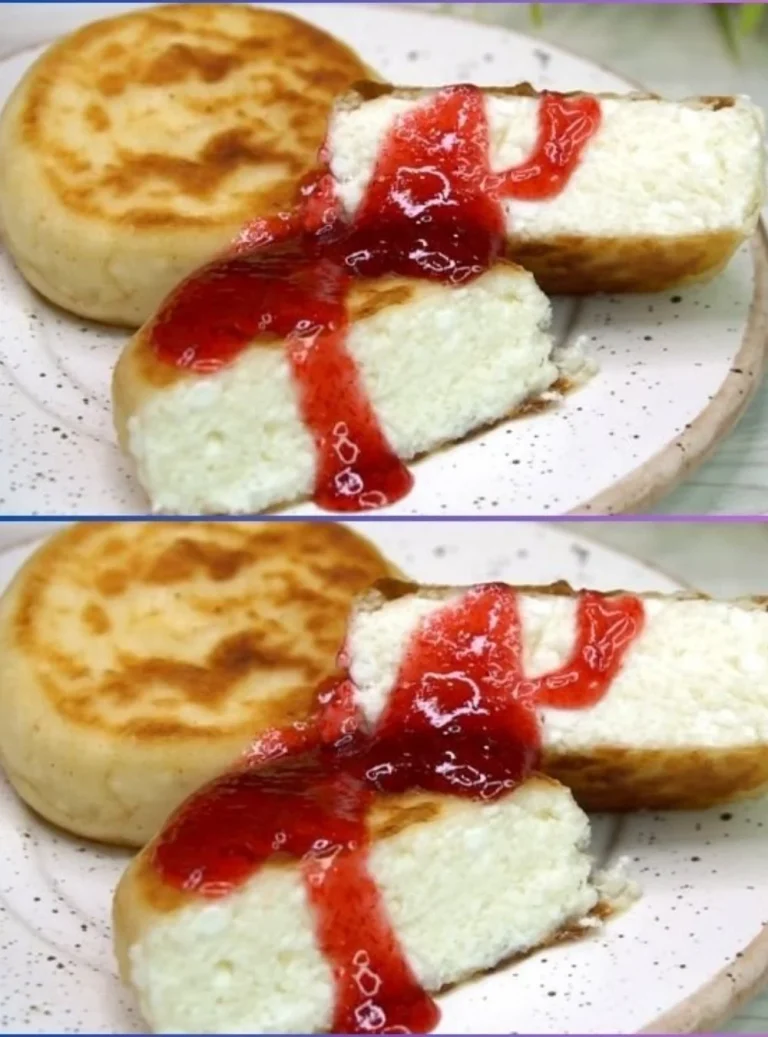
Cheesecake is a timeless dessert that has delighted taste buds for generations. With its creamy texture and a perfect balance of sweetness, this rich indulgence is the ultimate treat for any occasion. Whether you’re celebrating a birthday, hosting a dinner party, or simply craving something delightful, this cheesecake recipe promises perfect results each time. From the buttery graham cracker crust to the velvety filling, every bite is a heavenly experience. What makes this recipe so special is its simplicity; even novice bakers can create an impressive dessert with ease. So, roll up your sleeves and get ready to whip up a cheesecake that will have everyone asking for seconds!
Why You’ll Love This Recipe
- Simple ingredients make it accessible to anyone, regardless of baking experience.
- A foolproof method ensures consistent success every time.
- Versatile enough to customize with various toppings and flavors.
- The balance of creamy and tangy flavors creates a delightful dessert.
- Perfect for any occasion, from casual family dinners to elegant celebrations.
Ingredients
-
For the crust:
- 1 ½ cups (180 g) graham cracker crumbs
- 6 tablespoons (85 g) unsalted butter, melted
- ¼ cup (50 g) granulated sugar
-
For the filling:
- 16 ounces (450 g) cream cheese, softened
- 1 cup (200 g) granulated sugar
- 1 teaspoon (5 ml) vanilla extract
- 3 large eggs
- 2/3 cup (160 ml) sour cream
-
For the topping (optional):
- Fresh berries or fruit compote
- Whipped cream
- Chocolate ganache
Ingredient Notes
- Cream Cheese: Full-fat cream cheese provides the best flavor and texture. Light options may make the cheesecake less creamy.
- Sour Cream: Adds tanginess to balance the sweetness of the filling. Greek yogurt can be used as a substitute for a lighter option.
- Graham Cracker Crumbs: You can use digestive biscuits or homemade cookie crumbs if preferred.
Kitchen Tools Needed
- 9-inch (23 cm) springform pan
- Mixing bowls
- Electric mixer or whisk
- Rubber spatula
- Measuring cups and spoons
- Baking sheet (for water bath)
Step-by-Step Instructions
-
Preheat the Oven: Preheat your oven to 325°F (160°C). Ensure that the oven rack is in the middle position.
-
Prepare the Crust: In a medium bowl, combine graham cracker crumbs, melted butter, and sugar. Mix until the crumbs are evenly coated. Press the mixture into the bottom of a springform pan to create an even layer.
-
Bake the Crust: Place the crust in the preheated oven and bake for 10 minutes. Remove from the oven and let it cool while you prepare the filling.
-
Make the Filling: In a large bowl, beat the softened cream cheese with an electric mixer until smooth and creamy. Gradually add the sugar, followed by the vanilla extract. Mix until combined.
-
Add Eggs: Add eggs one at a time, mixing on low speed after each addition until just combined. Be careful not to overmix to avoid incorporating too much air.
-
Incorporate Sour Cream: Gently fold in the sour cream until the mixture is smooth and well combined.
-
Pour Filling: Carefully pour the cream cheese mixture into the cooled crust, spreading it evenly.
-
Prepare for Baking: Place the springform pan on a baking sheet. Add hot water to the baking sheet to create a water bath, which helps prevent cracks in the cheesecake.
-
Bake: Bake in the oven for 55-60 minutes, or until the edges are set but the center still jiggles slightly.
-
Cool: Turn off the oven and crack the oven door. Let the cheesecake cool in the oven for 1 hour to prevent sudden temperature changes.
-
Chill: Once cooled, refrigerate the cheesecake for at least 4 hours, preferably overnight, before removing it from the pan.
Cooking Tips
- Ensure all ingredients are at room temperature for a smoother filling.
- Use a water bath to keep the cheesecake moist and prevent cracks.
- Don’t overmix the filling; this can lead to a dense texture.
- Let the cheesecake cool gradually in the oven to avoid sudden changes in temperature, which can crack the surface.
- Use a sharp knife to cut clean slices and prevent the cheesecake from crumbling.
Variations
- Chocolate Cheesecake: Add ½ cup (50 g) of cocoa powder to the cream cheese mixture for a rich chocolate flavor.
- Fruit Swirl: Gently fold in fruit puree, such as strawberry or raspberry, into the filling before baking for a fruity twist.
- Lemon Cheesecake: Incorporate the zest and juice of one lemon for a refreshing citrus flavor.
- Crust Variations: Use Oreo cookie crumbs or almond flour for a gluten-free option.
Serving Suggestions
Serve slices of cheesecake chilled, either plain or topped with fresh berries, a drizzle of chocolate ganache, or a dollop of whipped cream. Add a sprig of mint for a decorative touch. Pair with coffee or dessert wine for a delightful end to any meal.
Storage Instructions
Store leftover cheesecake in the refrigerator. Cover it with plastic wrap or place it in an airtight container to maintain freshness. It will keep well for up to five days.
Reheating Tips
Although cheesecake is best served chilled, if you prefer it slightly warm, place a slice in the microwave for 10-15 seconds. Ensure not to overheat, as it may lose its texture.
Nutrition Estimate
Approximately 350 calories, 7 g protein, 28 g carbohydrates, and 24 g fat per serving (based on 12 servings).
Recipe Summary Card
- Prep Time: 20 minutes
- Cook Time: 1 hour
- Total Time: 5 hours 20 minutes (including chilling)
- Servings: 12
- Cuisine: American
- Course: Dessert
- Calories: 350
Frequently Asked Questions
1. Can I freeze cheesecake?
Yes, you can freeze cheesecake. Wrap it in plastic wrap and then aluminum foil before placing it in the freezer. It can be stored for up to 3 months.
2. How do I prevent cracks in my cheesecake?
To prevent cracks, bake the cheesecake in a water bath and avoid overmixing the filling.
3. Can I make this cheesecake ahead of time?
Absolutely! Make it up to 2 days in advance and store it in the refrigerator until you’re ready to serve.
4. What should I do if my cheesecake is still jiggly after baking?
If the cheesecake is still jiggly, it’s best to let it cool and then chill it in the refrigerator. It will firm up as it cools.
5. How do I know when cheesecake is done?
Cheesecake is done when the edges are set and the center is slightly jiggly. It will continue to cook while cooling.
Conclusion
With this straightforward cheesecake recipe, you can create a decadent dessert that impresses family and friends. The creamy filling combined with a buttery crust makes each slice irresistible. Feel free to experiment with various toppings and flavors to make it your own. Enjoy every delicious bite of your homemade cheesecake, and watch it quickly become a favorite in your household!